Voice Workout Logging: What to Say Between Sets
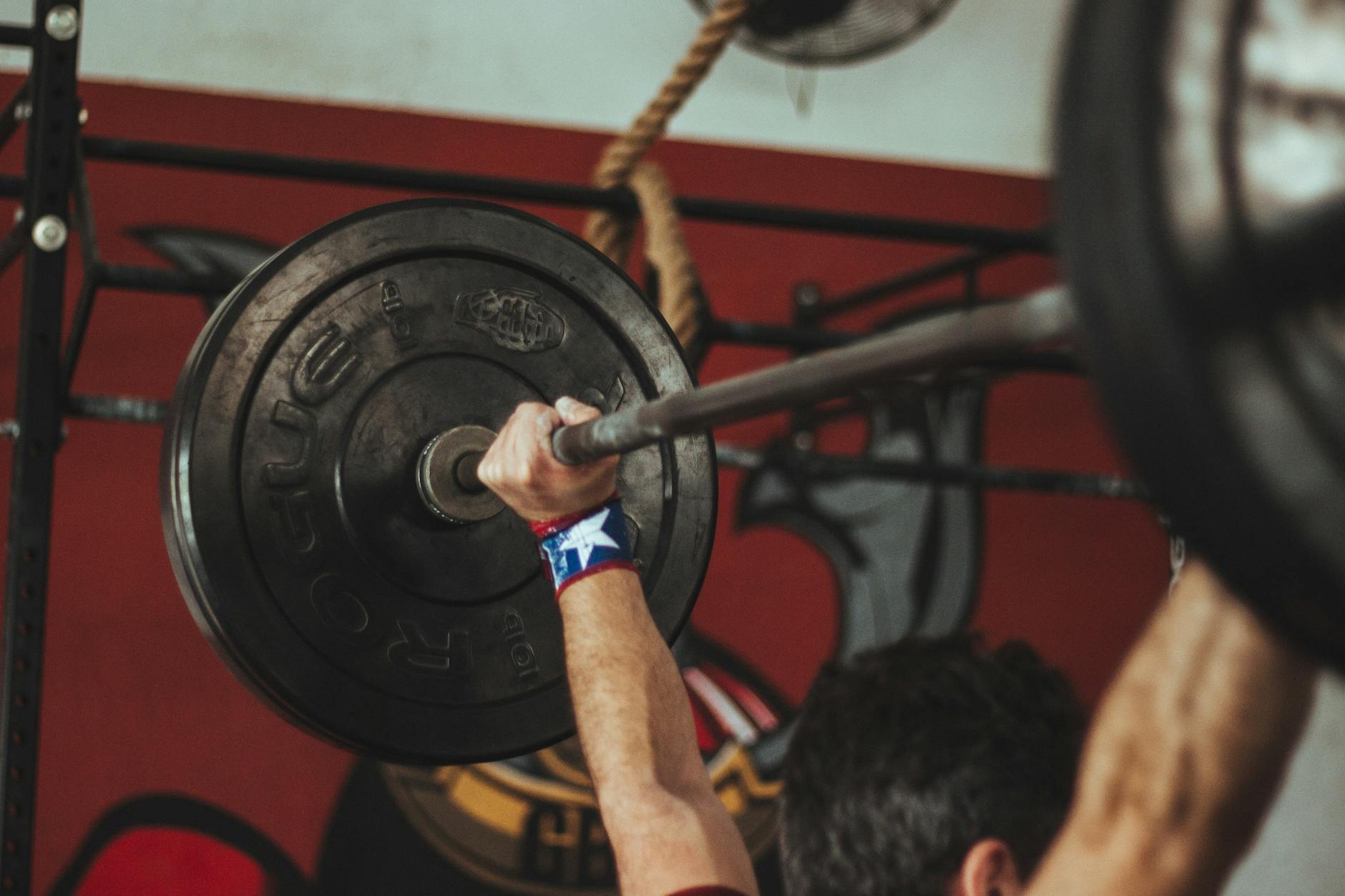
Most lifters do not need more data. They need the data to survive the minute after a hard set.
Unlocking your phone, finding the exercise, tapping through fields, and typing a note is enough friction to make a good training log incomplete. Voice workout logging removes most of that friction. You finish the set, say what happened, hear the entry confirmed, and get ready for the next set without touching the screen.
The trick is not talking more. It is using the same short command every time.
Why voice workout logging works between sets
The end of a set is when the useful details are easiest to remember. You know the weight, the reps, how close you were to failure, and whether something felt unusual. Two minutes later, some of that information is already gone.
A spoken log also keeps your attention in the room. You can leave your phone on the bench, in your pocket, or across the gym. That matters when your rest is limited, when the gym is crowded, or when your hands are covered in chalk.
Voice is not automatically better than typing. It is better when the command is short, consistent, and easy to correct. A rambling review of the entire set is harder to interpret than five clear pieces of information.
Use one five-part command for every set
Start with this structure:
Log [exercise], [weight], [reps], [RIR], note [optional note].
For example:
Log lat pulldown, 60 kilos, 10 reps, RIR 2, note slow lowering.
RIR (reps in reserve: how many clean reps you had left when you stopped) gives the set an effort marker. Saying RIR 2 is more useful than saying a set was hard because it gives your future training record a repeatable reference.
You do not need to use that exact sentence every time. Lat pulldown, 60 kilos, 10 reps, RIR 2 is enough if your coach already knows you are logging a set. The important part is keeping the fields in the same order. Exercise first, then resistance, reps, effort, and notes.
Say each field clearly
The exercise name should match the name you want to see later. Say chest-supported row instead of just row if you also perform cable rows. Use the same name for the same movement across sessions.
State the resistance in a way that removes doubt. For a barbell, use the total weight on the bar. For dumbbells, say whether the number is per hand. For a machine, use the displayed weight or pin number. For bodyweight movements, include added resistance when there is any.
Examples:
Barbell squat, 100 kilos, 5 reps, RIR 3.Dumbbell incline press, 28 kilos each hand, 8 reps, RIR 2.Pull-up, bodyweight plus 10 pounds, 6 reps, RIR 1.Leg curl, pin 8, 12 reps, RIR 2.
If you train in pounds, keep using pounds. Do not switch units halfway through a session unless you say so clearly. Confusing 15 and 50 is easier when the unit is missing, so pronounce 15 kilos or 50 pounds, not just the number.
For one-arm or one-leg movements, include the side and whether the rep count applies to each side. Split squat, 24 kilos each hand, 8 each side, RIR 2 is much cleaner than split squat, 8 reps.
Build a 10-second between-set routine
A reliable routine takes only a few steps:
- Finish the set and take one or two breaths.
- Say the five-part command while the details are fresh.
- Listen for the confirmation.
- Correct anything wrong immediately.
- Start your rest or prepare for the next set.
The confirmation is important. Voice recognition can confuse 15 and 50, miss an exercise name, or hear RIR 3 as RIR 2 in a loud gym. Do not assume the entry is correct just because the command sounded right.
If the app asks a follow-up question, answer only that question. If it asks for reps, say 10 reps. You do not need to repeat the whole set unless the coach requests it.
Use shorter commands for common situations
The first set of an exercise deserves the full command because it establishes the movement and resistance. Later sets can be shorter if the exercise and weight have not changed.
Try these patterns:
Start dumbbell row, 30 kilos each hand, 10 reps, RIR 3.Same exercise, 30 kilos, 9 reps, RIR 2.Same weight, 8 reps, RIR 1, note grip faded.Warm-up, empty bar, 10 reps.Skip logging this warm-up.Log bodyweight dip, 12 reps, RIR 2.
For a paired movement, name the exercise every time if there is any chance of confusion. Cable curl, 12 kilos, 12 reps, RIR 2 is safer than next exercise when you are moving between stations.
If you perform a movement on both sides, say each side or right side and left side. If the sides differ, log them separately. That may take a few more seconds, but it preserves information that a single average can hide.
Correct the log without touching your phone
Mistakes are normal. A good voice system needs a correction habit, not perfect speech.
Use direct commands such as:
Change the last set to 55 kilos for 11 reps, RIR 2.I said 8 reps. Correct that to 7.Change the weight to 50 pounds.Add note: right elbow felt stiff.Delete the last set.Repeat the last entry.
Correct the entry before starting the next set. Once you have lifted again, it becomes harder to know which set you meant. If your app uses different wording, follow its prompt. The useful idea is the same: identify the last entry, state the field that changed, and give the replacement value.
Keep notes short and useful
A note should explain something that could matter when you review the session. It does not need to describe the entire set.
Useful notes include:
Last two reps slowed.Right wrist felt unstable.Grip slipped on the final rep.Bench was set one notch lower.Used a controlled lowering phase.
Avoid notes such as good set or felt hard unless they add context. The reps and RIR already show that the set was demanding. A specific note tells you why the set looked different or what changed in the setup.
If you feel sharp pain or something that changes your movement, record the fact plainly and deal with the issue before continuing. A voice log is a record, not a reason to push through a problem.
Example of a fully voice-logged exercise
Imagine three sets of chest-supported rows:
Start chest-supported row, 50 kilos, 10 reps, RIR 3.
Same exercise, 50 kilos, 10 reps, RIR 2.
Same exercise, 50 kilos, 9 reps, RIR 1, note grip faded on the last two reps.
That short exchange captures the exercise, resistance, reps, effort, and a useful change in performance. It also avoids making you type while your rest is running. You can use the same structure for nearly any movement, from a machine press to a barbell deadlift.
GymLog is useful here because the voice coach can keep the conversation moving while you record the set. The goal is not to make you speak like a robot. It is to make the important details easy to capture in the same format every time.
The payoff is a cleaner training record
Voice workout logging will not fix inconsistent exercise names, missing units, or guesses made after the fact. You still need to speak clearly and confirm questionable entries.
But a 10-second spoken log is much easier to repeat than a minute of phone tapping after every set. Over several sessions, those complete entries give you a better record of what you lifted, how many reps you completed, how much was left in the tank, and what affected the set.
Keep the command boring. Boring is fast, repeatable, and easy to review. That is exactly what you want between hard sets.